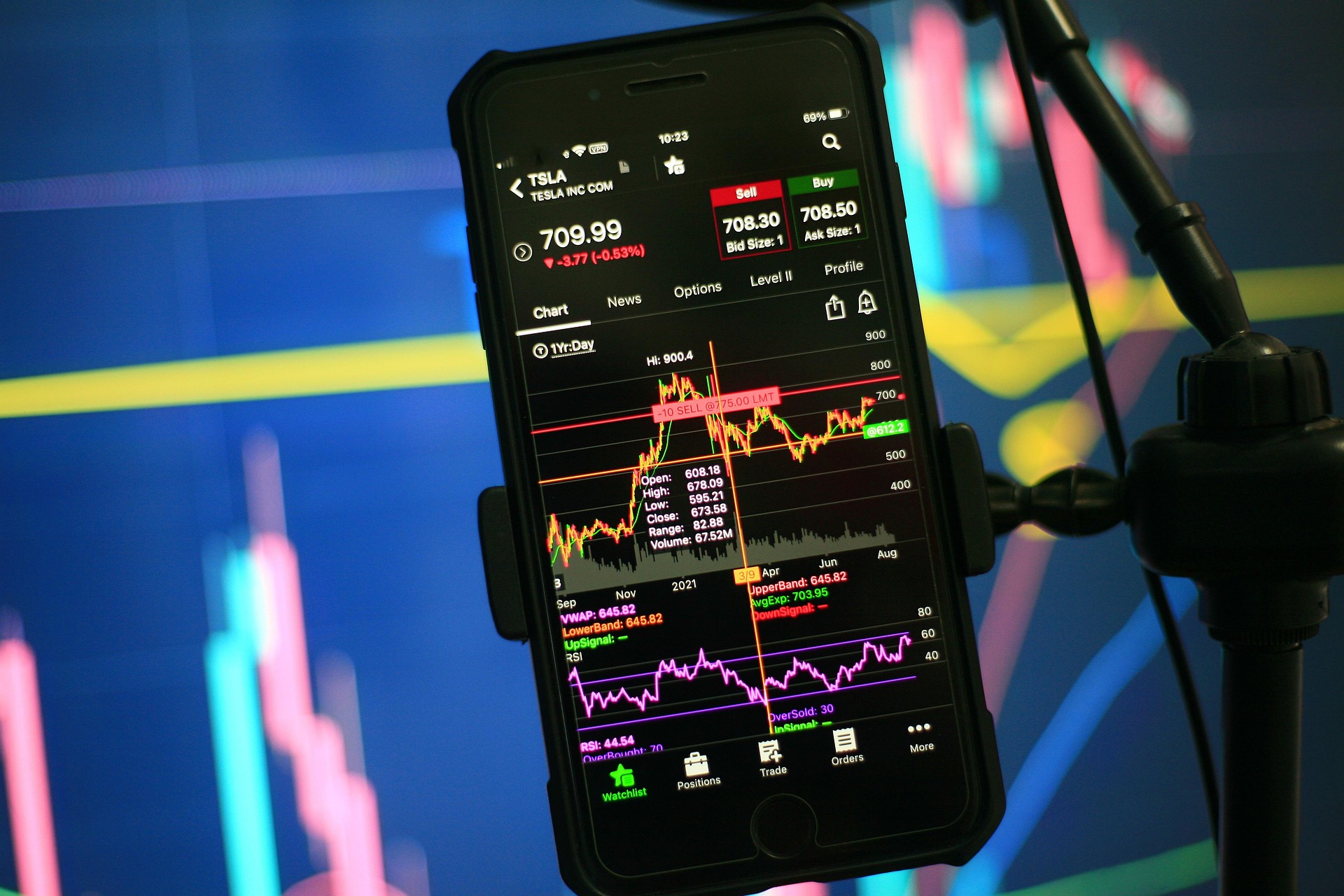
 We’ve all been watching with equal parts hope and trepidation the current military conflict with Iran. Given the stakes, and the possible long-term disruption of oil deliveries in a world highly dependent on them, it’s understandable to feel uneasy about the stock market and your retirement savings. War headlines, volatile markets, and political uncertainty can make it seem as though financial markets are vulnerable to a long-term down trend or short-term crash. History, however, tells a different story.
One of the most consistent patterns in modern financial markets is that geopolitical sell-offs tend to be brief. According to historical market data compiled by Vanguard, the average total return following a geopolitical shock has been about 5% six months later and roughly 8% one year later.
Looking back helps put today’s turbulence into perspective. During the 1962 Cuban Missile Crisis, markets initially fell about 5%, but six months later they had gained 21%, and a year later they were up 26%. The 1979 Iranian hostage crisis triggered a modest 3% sell-off, yet stocks rose 26% over the following year. Even during the 2003 Iraq War, an initial 3% drop was followed by a 19% gain within six months and 27% after a year.
Not every case rebounds quickly. After Russia’s invasion of Ukraine in 2022, markets were still down a year later, but the broader pattern is clear: geopolitical shocks usually cause temporary volatility rather than permanent damage.
Volatility itself is nothing new. The market’s “fear gauge,” the VIX volatility index, has spiked above one standard deviation many times since 1987. Yet over that same period, the S&P 500 has continued climbing dramatically. Just before the 2008 financial crisis, the index stood around 1,560. Today it is roughly 6,800, despite the VIX surging above 30 on seven different occasions.
The key reason long-term investors tend to succeed is time. Historically, the probability of losing money in an all-stock portfolio drops sharply the longer you stay invested: about 24.7% over one year, 21% over three years, 10.9% over five years, and just 4.2% over ten years. Diversification helps even more. A 60% stock / 40% bond portfolio has historically been about 36% less volatile than an all-stock portfolio.
Market downturns are not rare events. Investors will experience many of them during a lifetime. But the good news is that bull markets have historically been both longer and stronger. Since just after the 1929 market crash, bull markets have lasted an average of 1,018 days and delivered an average gain of about 96%, while bear markets average just 282 days and have had average declines closer to 30%.
Trying to dodge market downturns rarely works. The market’s best and worst days often happen close together. Missing just a handful of strong days can dramatically reduce long-term returns. For example, a $100,000 investment tracking the S&P 500 from 1994 through 2024 would have grown to about $2.24 million if you stayed invested every day. Miss the 10 best days, and the ending value drops to about $1.03 million. Miss 30 of the best days, and the investment shrinks to just $384,000.
In other words, turbulence is part of the journey. History suggests that investors who keep their focus on the long term, and avoid reacting emotionally to short-term headlines, tend to come out ahead.